Wild Wild East
Using the latest in technology, this series journeys to the North American maritime woods and waters, a legendary land of plenty unrivaled in natural beauty, wildlife and rough-hewn diversity on an epic scale.

Foxes
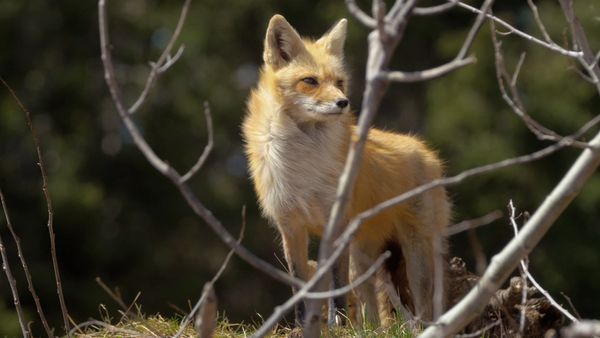
Travel to Prince Edward Island to explore the family life of the Red Fox. These sly creatures are adept at living just on the fringes of the human world.

Rivers
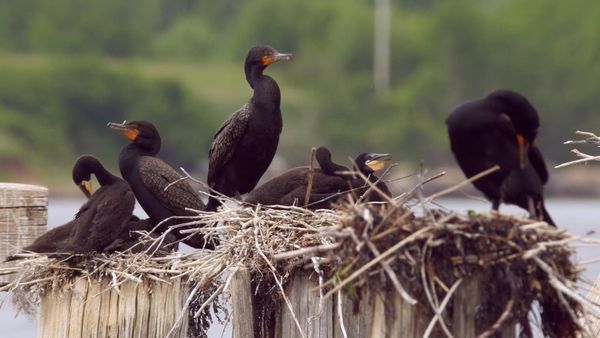
We swim in the rivers of Nova Scotia with two species of fish, the Shad and the Gaspereau. Meanwhile, a colony of Double-Crested Cormorants thrives at the mouth of the Pictou River.

Skies
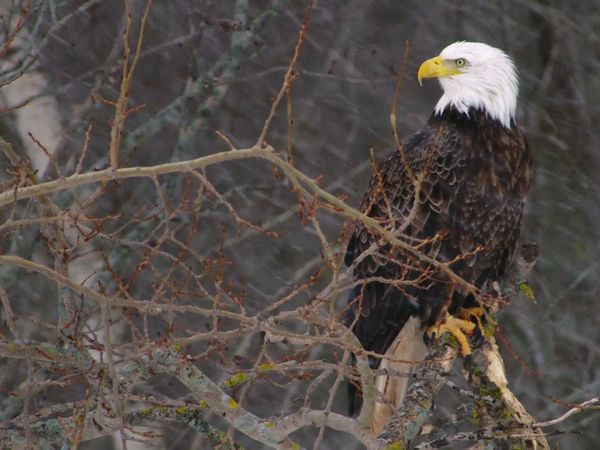
Take to the skies to soar with the Bald Eagle. From Cape Breton’s Bras d’Or Lake, to the bird’s overwintering home in the Annapolis Valley, they raise families, hunt and forage for food.

Tides
Go with the flow and follow the ebb and flow of the tides across the Wild Wild East. Over a hundred thousand sandpipers migrating from the Arctic to South America make a pit stop along the Bay of Fundy.

Pollinators
The Annapolis Valley is the Wild Wild East’s most important agricultural center. We dive into the hive to explore the complex social structures of hardworking honeybees.

City
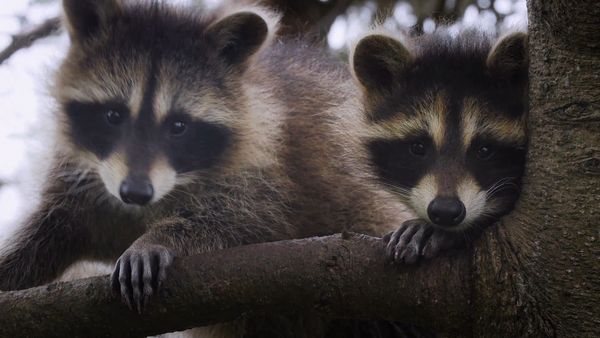
It’s Halifax through the eyes of its wildest residents. During the day, squirrels and chipmunks compete for territory in the city park. At night, Halifax’s raccoons invade backyards and seagulls scour the streets for pizza.

Highlands
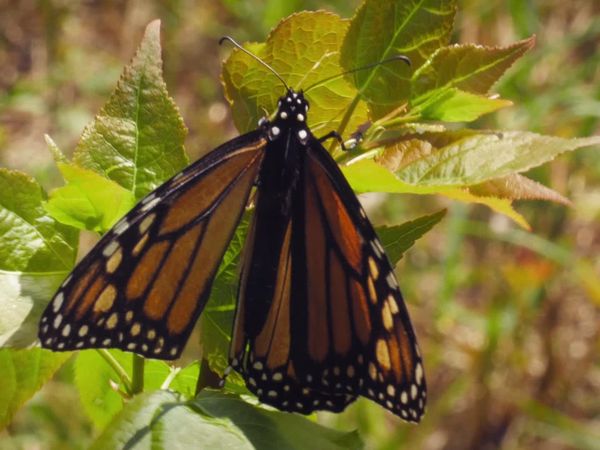
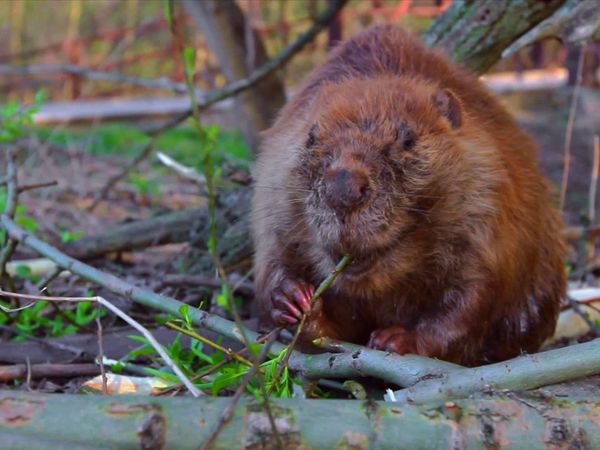
Cape Breton Highlands National Park was established to protect the primeval forest from clear-cutting – but today the park faces a new threat. Moose, beavers and moths have combined to decimate large sections of the Boreal and Acadian woodlands.

Wetlands
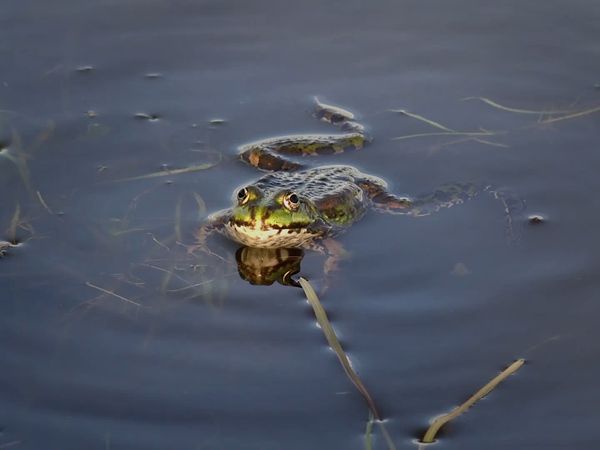
Wetland habitats are essential freshwater ecosystems. They are a refuge for old growth forest and the species that depend upon them, at the core of the second largest biosphere reserve in Canada.

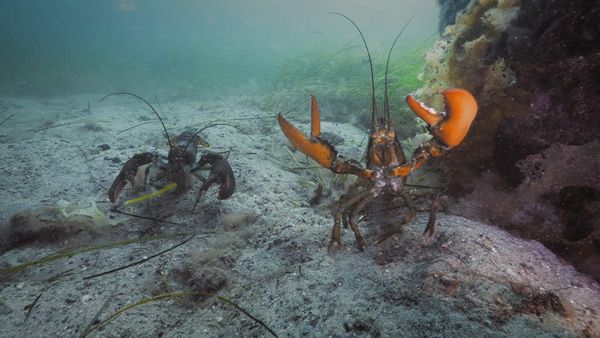
Crustaceans
The creatures on the ocean floor live in a murky, rarely-visited world. The relationships between species like lobsters, scallops and crabs are numerous and complicated. Changing water temperature is bringing invasive species to the Canadian East.

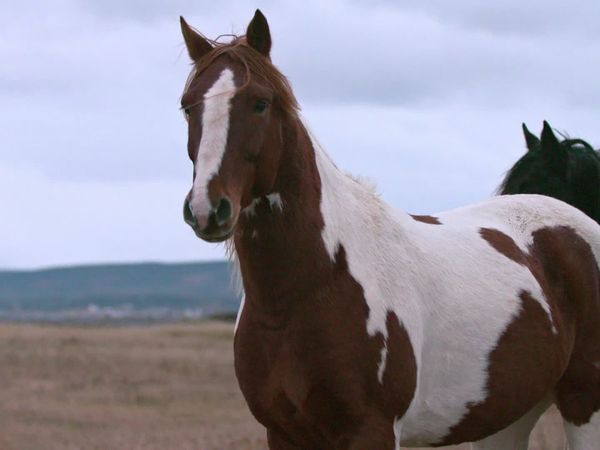
Horses of St. Pierre & Miquelon
Off the coast of Newfoundland, St. Pierre and Miquelon is the last remaining overseas territory of France, and the summer home to a semi-feral population of horses and ponies. We infiltrate the herd to explore the horses' power politics.

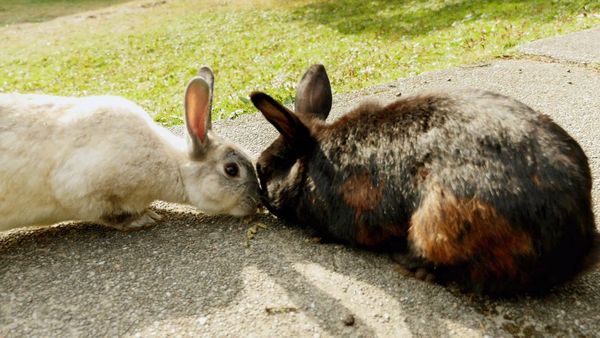
Invasion
Non-native species have made their way into eastern Canada and staked their claim on the jagged coast. At White Point Beach Resort in Liverpool, Nova Scotia, bunnies have hopped on in for an extended holiday.

Seasons
We travel through time and space to show what one year — four seasons — looks like for the wildest animals of Canada’s East Coast. In Spring, Great Blue Heron fish in one of Prince Edward Island’s many estuaries.

Deer
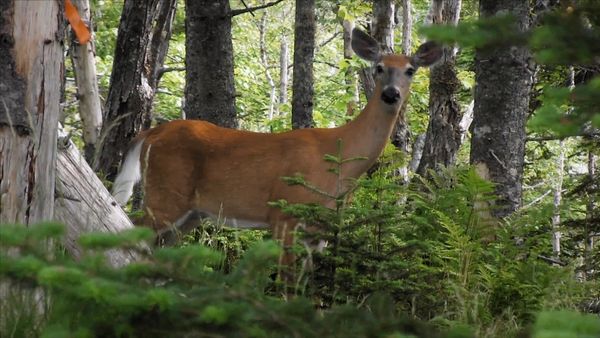
The North American wilderness is smaller and more fragmented than ever. Yet somehow, the white-tailed deer population has exploded. White-tailed deer were once totally eliminated from some parts of their range.

Migration
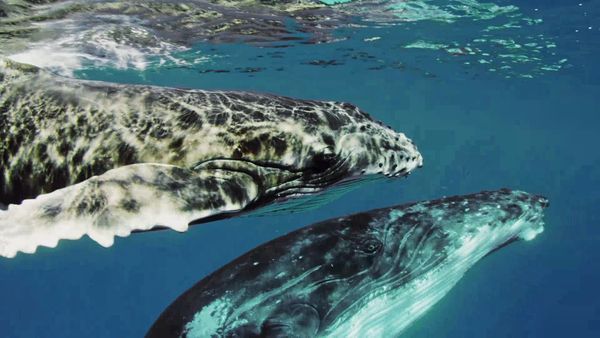
Every year animals migrate to the Canadian East. These incredible journeys bring humpback whales from the tropics to the Bay of Fundy to feed. They also bring Canada geese from the southern United States to Nova Scotia to breed.