Meteorite Men
Meteorite hunters Steve Arnold and Geoff Notkin travel to some of the most remote locations around the world to explore the scientific and financial value of meteorites.

Brenham, Kansas
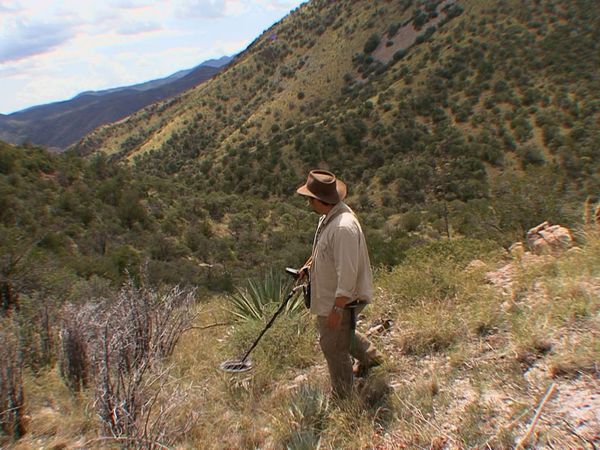
In Brenham, Kansas pieces of a large meteorite that fell thousands of years ago have been unearthed. Using advanced metal detection equipment Arnold and Notkin work tirelessly to find the meteorite pieces that have yet to be discovered.

The Tucson Ring
In the 1850s a farmer came across a meteorite in Arizona; it's known as the "Tucson Ring" and now resides at the Smithsonian. Arnold and Notkin search for more pieces in an attempt to solve one of the biggest mysteries in the world of meteorite hunters.

The Odessa Iron Meteorite
Approximately 50,000 years ago a giant meteor created one of only two craters in the U.S. that have produced meteorite specimens. In this episode, Steve and Geoff will be hunting on the land surrounding the crater with their new cutting-edge detectors.

West, Texas
Ash Creek is the site of the most recent recorded meteorite fall in United States (February 15, 2009). In this episode, Geoff and Steve will follow clues provided by the locals to uncover the mysterious rocks of this fall.

Gold Basin
In 1995, Professor Jim Kriegh discovered a field of of ancient stone meteorites; the Gold Basin Meteorite is known as the best mapped strewn field in history. In this episode, Geoff and Steve get exclusive access to hunt meteorites in uncharted areas.

Buzzard Coulee & Whitecourt Crater
In Canada, Geoff and search for pieces of the Buzzard Coulee Meteorite. Also, the meteorite hunters receive a surprise invitation to visit the newly discovered, and highly protected, Whitecourt Crater and hunt the surrounding area.

Dry Lake Bed
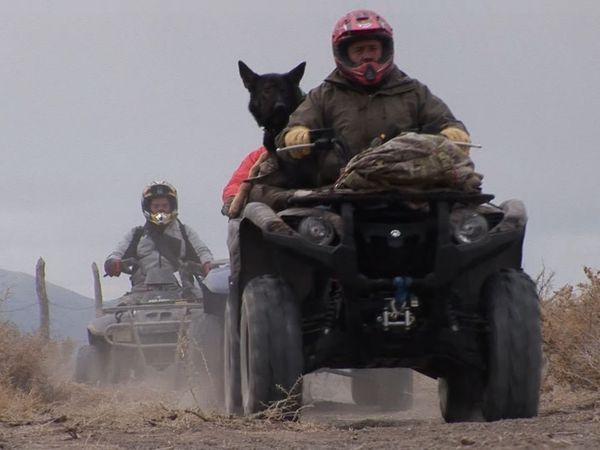
Dry lake beds are a great place to find never before discovered meteorites. In this episode, the terrain of the bed provides spectacular visuals and high-speed action as Geoff and Steve cover as much ground as possible, looking for dark rocks.