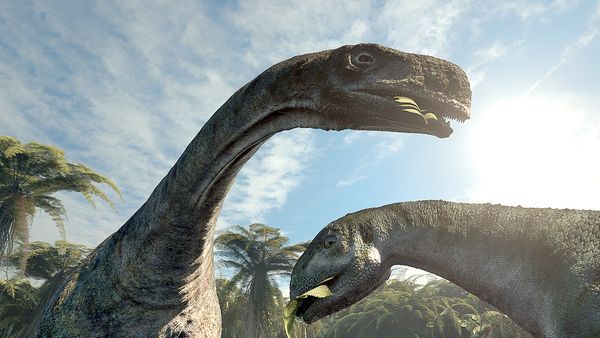
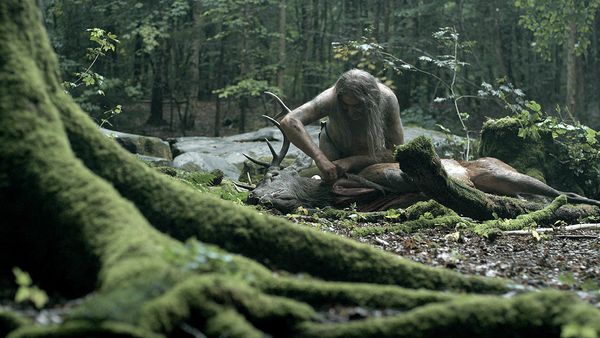
300 Million Years - Part One relates the dramatic history of how the continent of Europe came to be - from the carboniferous period to the extinction of the dinosaurs 65 million years ago. How did the continent we call Europe come to be? Many years passed before it began to look like it does today. Europe has “traveled” through various climate zones, has been shaped by the elements and transformed by collisions with other continents. Its animals have also changed over time. Wild boars, rabbits, foxes and many different bird species are part of today’s fauna, but in the past Europe was also the natural habitat of flamingos and manatees. Dinosaurs were also at home here. It all began with a flaming ball of fire. Four billion years ago, the young earth was very different from the so-called Blue Planet we know today. When the first rocks of our continent began to emerge from the sea, Germany was thousands of kilometers further south - on the equator. The tropical climate gave rise to forests of ferns that were home to gigantic centipedes up to two meters long. Back then there was a huge mountain range in the middle of Germany that has since disappeared. In the south, entire herds of dinosaurs roamed through Swabia, while Bavaria looked like a tropical paradise. At the time it lay on the shore of an ocean. Shallow lagoons dotted the banks, and underwater coral reefs thrived along the coastline. These and other events can be compressed into a few centimeters of stone. When the secrets of the past are uncovered, fascinating interconnections come to light. The dragonflies of today, for example, are quite similar to the giant dragonflies they are descended from. But they are something of an exception, because animals are constantly adapting. Over the course of time seas covered the land, followed by periods of desert heat. Regardless of how many changes there were, bringing forth animals and plants adapted to the respective conditions.
“300 million years” relates the dramatic history of how the continent of Europe came to be - from the carboniferous period until today. During its long creation process Europe has “traveled” through various climate zones, has been shaped by the elements and transformed by collisions with other continents. Seen from a geological perspective, human beings have been on the earth for only a few short moments, but within this brief time we have already fundamentally transformed the planet.
Watch Free TV Shows
Watch free TV shows, from exciting new releases to timeless classics. Whether you’re into gripping crime shows, fan-favorite sitcoms, reality TV, or acclaimed dramas, watch free full seasons of TV shows On Demand anytime, anywhere.