Wild Germany

Huge Mountains, picturesque rivers, magical forests and dreamlike coastlines at the North and the Baltic Sea - these are the most valuable treasures of Germany. Firm but still changeable, embossed by men but still natural.

SÄSONG 1, 4 Avsnitt

Wild Germany - Coasts
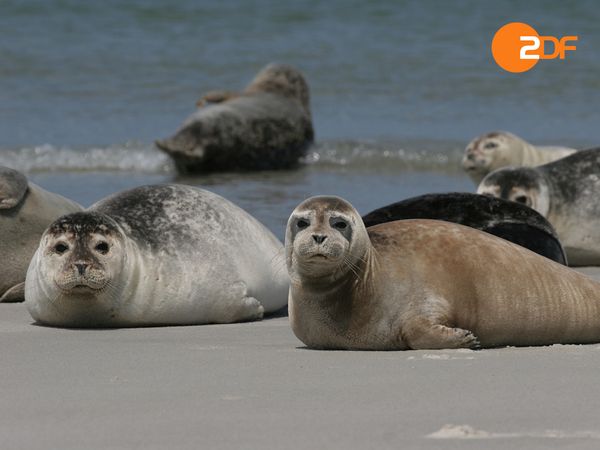
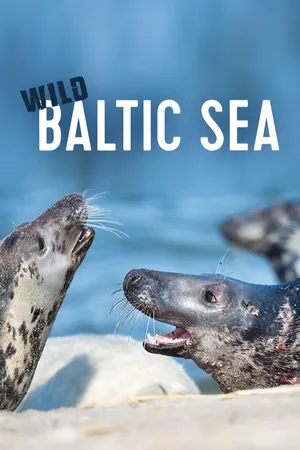
A cat shark out hunting, guillemots fearlessly jumping from the cliffs of Helgoland, the birth of a snow-white baby seal: the 2,400km of German coastlines are home to a unique diversity of species. Over thousands of years, the slow current of the North Sea has allowed silt to accumulate and form the unique world of the Wadden Sea, a UNESCO World Heritage Site since 2009. Nowhere else in the world does such a landscape exist that, thanks to the tides, is in a constant state of change. On the Baltic Sea, it’s above all the Bodden that are unique. They form a chain of shallow bodies of water connected to the sea by narrow channels. Here in the brackish water, only specialists can survive. The North Sea coast is famed for its extensive mud flats, the Halligen islands which are often submerged in winter and endless sandy beaches and dykes. Seals sun themselves on sandbanks and regenerate after the rigours of hunting. Plum in the middle of the North Sea, the cliffs of Helgoland are a paradise for seabirds like gannets, black-legged kittiwakes and guillemots. For the grey seals, the mating season begins in winter and with it fearsome battles between rival males. The largest bulls weigh in at 300kg and are the biggest mammals in Germany. Hunted mercilessly by fishermen competing for the same fish, for many years the seals had disappeared from Germany’s coasts. Now they’re under protection and are slowly returning. North and Baltic Seas have retained their original character. The Baltic has Darss, Rügen and Usedom, three of the most beautiful holiday destinations in the country and with the whitest beaches. In autumn, red deer stags stamp majestically along the sand against the foamy backdrop of the Baltic. Peregrine falcons, too, have made coast and islands their home.
7 50min 2011
Wild Germany - Mountains
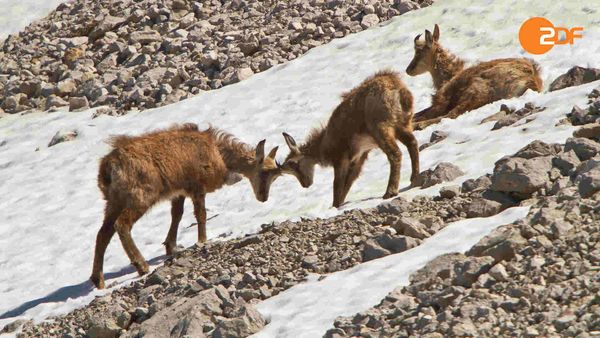
A mother lynx feeds on freshly caught prey with her cubs, agile chamoix leap along mountain ledges, bee-eaters dig nesting holes in vineyards, black storks bring up their young on narrow ridges. From the rugged peaks of the Alps and the dark woods of the Black Forest to the sandstone cliffs of Saxonian Switzerland, Germany’s mountains are home to very special animals. The episode Mountains from the four-part series Wild Germany shows a world full of breath-taking images. We witness the first few days of baby marmots in Alpine meadows, inexperienced and unaware of the dangers lurking outside the den. The opportunity that the golden eagle in the cliff face has been waiting for. Taking to the air, it glides over the steeply sloping pasture. The older marmots recognize the danger and send out shrill alarm whistles. Will the younger marmots heed the warnings in time? It’s been more than 150 years since the last lynx was seen in Germany. After a reintroduction project in the Czech Republic, the first big cats crossed the border into the Bavarian forest. Similar projects in the Harz mountains have also brought the lynx back to Northern Germany. Only 30km South of Dresden, majestic table mountains stretch into the sky: Saxonian Switzerland with its unspoilt rocky cliffs and towers. Habitat of peregrine falcons and white-throated dippers, as well as the shy and seldom seen dormouse. The spectacular beauty and diversity of form of the Elbe Sandstone Mountains are unique in Europe. The film shows the magnificence of the mountains in the different seasons and the rich variety of flora and fauna. Unique animal footage rounds off the portrait of landscapes which have much more than just barren rocks to offer.
7 51min 2011
Wild Germany - Forests
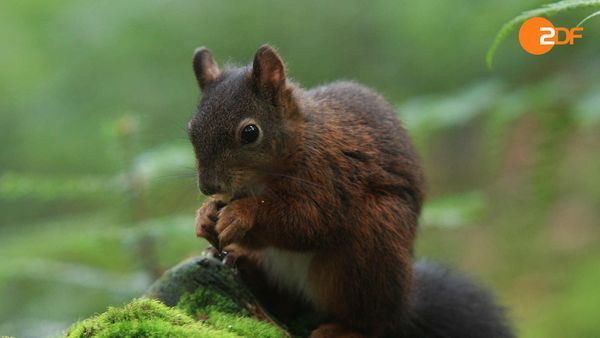
Shrouded in myth and legend, the forests of Germany are world famous, thanks to the fairy tales of the Brothers Grimm. The strange creatures that actually live there are shown in the episode Forests of the four-part series Wild Germany. A lynx out hunting, red deer stags roar to call their harems together, wild boar forage in dead leaves looking for nuts. When one considers how densely populated it is, Germany is home to a surprising number of different species. Around one third of the country is covered in forest. Forests enters a world full of magic and shows the secretive inhabitants you won’t see when out for a walk. Spring in the Black Forest brings out the cherry blossom. Not long now, and the fruit used to make the famous Black Forest Gâteau will appear. A doe has deposited its fawn in the high grass under the trees. Nearby, a vixen is on the look-out for food for her cubs. She would just about be able to handle the fawn ... Life in the forest is full of drama. Humans are rarely seen, the animal adventures take place behind a thick curtain of leaves. The wildcat and the lynx have managed to reconquer some regions from which they had long disappeared. For rare animals like black stork and stag beetle, the woods offer a last refuge. The best nature film-makers in Germany spent more than five years travelling the country from the Harz mountains to the Bavarian Forest, from Saxonian Switzerland to the Palatinate Forest, collecting material on the secret lives of forest dwellers.
7 51min 2011

Titta på gratis tv-serier

Titta på gratis tv-serier, från spännande nya produktioner till tidlösa klassiker. Vare sig du gillar fängslande deckare, populära sitcoms, reality-tv eller kritikerrosade draman kan du titta på hela säsonger av tv-serier när som helst, var som helst.
host#4387